Buy how-to-invest.com ?
We are moving the project
how-to-invest.com .
Are you interested in purchasing the domain
how-to-invest.com ?
domain@kv-gmbh.de · 0541-91531010
Buy how-to-invest.com ?
Are pigments natural or artificial?
Pigments can be both natural and artificial. Natural pigments are derived from sources found in nature, such as plants, minerals, and animals. These pigments are often used in traditional art and cultural practices. On the other hand, artificial pigments are synthesized through chemical processes and are commonly used in modern industrial applications, such as inks, dyes, and paints. Both natural and artificial pigments have their own unique properties and applications. **
Artificial or natural Christmas tree?
The choice between an artificial or natural Christmas tree ultimately depends on personal preference and lifestyle. Artificial trees are convenient, reusable, and often more cost-effective in the long run. On the other hand, natural trees provide a traditional, authentic holiday experience and the fresh pine scent. Consider factors such as environmental impact, maintenance, and storage space when making your decision. Ultimately, both options can bring joy and festive spirit to your home during the holiday season. **


Similar search terms for Nearly-Natural-8-Artificial
Top-Angebote
Products related to Nearly-Natural-8-Artificial:
-
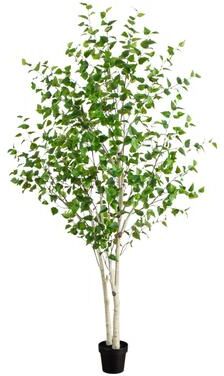
Nearly Natural 8' Minimalist Citrus Artificial Tree"You asked, and we listened! Introducing the next ""IT"" tree that is about to take the home décor world by storm. If you have seen our faux olive tree, you already know that we craft the most popular trees on the internet."208,55 $*Shipping: 0,00 $Secure redirect to the provider
-
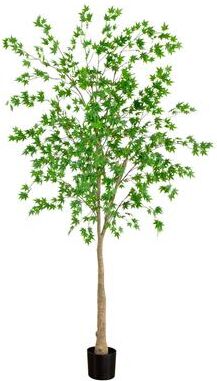
Nearly Natural 8' Artificial Maple Tree - GreenAdd a whimsical touch to your decor with our artificial maple tree. Inspired by a dense, green woodland, this tree is designed to amplify the natural charm of your living space with its canopy of cluster-like leaves draping from delicate brown...213,28 $*Shipping: 0,00 $Secure redirect to the provider


-
Should I invest my money in real estate funds?
Investing in real estate funds can be a good option for diversifying your investment portfolio and potentially earning passive income. However, it is important to carefully research and understand the risks associated with real estate investments, such as market fluctuations and liquidity issues. Consider consulting with a financial advisor to determine if real estate funds align with your investment goals and risk tolerance before making a decision. **
-
How do natural and artificial light sources differ?
Natural light sources, such as the sun and fire, emit light through natural processes like nuclear fusion or chemical reactions. They provide a full spectrum of light and can vary in intensity and color temperature throughout the day. On the other hand, artificial light sources, like incandescent bulbs or LED lights, are created by humans and rely on electricity to produce light. They can be designed to emit specific colors and intensities, and their spectrum can be tailored to suit different needs. Additionally, artificial light sources can be controlled and manipulated more easily than natural light sources. **
-
Is vinegar cleaner artificial and vinegar natural?
Vinegar can be both natural and artificial, depending on how it is produced. Natural vinegar is made through the fermentation of natural sugars in fruits or grains, while artificial vinegar is typically made from acetic acid and water. When purchasing vinegar, it is important to check the label to determine if it is natural or artificial. Natural vinegar is often preferred for its potential health benefits and more complex flavor profile. **
-
What are natural and artificial light sources?
Natural light sources are sources of light that occur in nature, such as the sun, stars, and fire. These sources emit light without the need for human intervention. Artificial light sources, on the other hand, are man-made sources of light, such as light bulbs, fluorescent lights, and LED lights. These sources require human intervention to produce light and are commonly used in indoor environments and at night. Both natural and artificial light sources are essential for providing illumination and enabling visibility in various settings. **

How do the natural and artificial greenhouse effects differ?
The natural greenhouse effect is a process where certain gases in the Earth's atmosphere, such as carbon dioxide and water vapor, trap heat from the sun, keeping the planet warm enough to support life. This process is essential for maintaining a stable climate. On the other hand, the artificial greenhouse effect is caused by human activities, such as burning fossil fuels and deforestation, which release additional greenhouse gases into the atmosphere, leading to an enhanced greenhouse effect and global warming. While the natural greenhouse effect is a necessary and natural process, the artificial greenhouse effect is a result of human activities and is contributing to climate change. **
How do you distinguish between natural and artificial radioactivity?
Natural radioactivity occurs when unstable isotopes of elements decay and emit radiation, such as alpha, beta, or gamma particles. This process is spontaneous and occurs in nature without human intervention. On the other hand, artificial radioactivity is created in a laboratory or industrial setting through processes such as nuclear reactions or particle bombardment. This results in the creation of isotopes that are not naturally occurring and can emit radiation. The distinction between natural and artificial radioactivity lies in the origin of the radioactive isotopes and the processes that lead to their formation. **
Top-Angebote
Products related to Nearly-Natural-8-Artificial:
-
Nearly Natural 8' Minimalist Citrus Artificial Tree"You asked, and we listened! Introducing the next ""IT"" tree that is about to take the home décor world by storm. If you have seen our faux olive tree, you already know that we craft the most popular trees on the internet."208,55 $*Shipping: 0,00 $Secure redirect to the provider
-
Are pigments natural or artificial?
Pigments can be both natural and artificial. Natural pigments are derived from sources found in nature, such as plants, minerals, and animals. These pigments are often used in traditional art and cultural practices. On the other hand, artificial pigments are synthesized through chemical processes and are commonly used in modern industrial applications, such as inks, dyes, and paints. Both natural and artificial pigments have their own unique properties and applications. **
-
Artificial or natural Christmas tree?
The choice between an artificial or natural Christmas tree ultimately depends on personal preference and lifestyle. Artificial trees are convenient, reusable, and often more cost-effective in the long run. On the other hand, natural trees provide a traditional, authentic holiday experience and the fresh pine scent. Consider factors such as environmental impact, maintenance, and storage space when making your decision. Ultimately, both options can bring joy and festive spirit to your home during the holiday season. **
-
Should I invest my money in real estate funds?
Investing in real estate funds can be a good option for diversifying your investment portfolio and potentially earning passive income. However, it is important to carefully research and understand the risks associated with real estate investments, such as market fluctuations and liquidity issues. Consider consulting with a financial advisor to determine if real estate funds align with your investment goals and risk tolerance before making a decision. **
-
How do natural and artificial light sources differ?
Natural light sources, such as the sun and fire, emit light through natural processes like nuclear fusion or chemical reactions. They provide a full spectrum of light and can vary in intensity and color temperature throughout the day. On the other hand, artificial light sources, like incandescent bulbs or LED lights, are created by humans and rely on electricity to produce light. They can be designed to emit specific colors and intensities, and their spectrum can be tailored to suit different needs. Additionally, artificial light sources can be controlled and manipulated more easily than natural light sources. **
Similar search terms for Nearly-Natural-8-Artificial
-
Nearly Natural 8' Artificial Maple Tree - GreenAdd a whimsical touch to your decor with our artificial maple tree. Inspired by a dense, green woodland, this tree is designed to amplify the natural charm of your living space with its canopy of cluster-like leaves draping from delicate brown...213,28 $*Shipping: 0,00 $Secure redirect to the provider
-
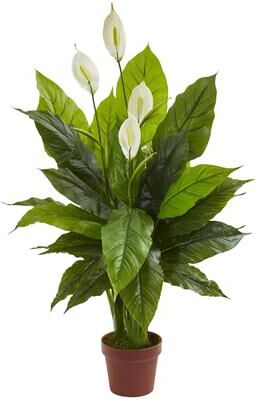
Nearly Natural "42"" Spathiphyllum Artificial Plant (Real Touch)"Pure white blossoms are surrounded by beautiful green leaves with this artificial spathiphyllum. With its soft, natural look, you can use it to highlight any furniture piece in your living room.75,99 $*Shipping: 0,00 $Secure redirect to the provider
-
Is vinegar cleaner artificial and vinegar natural?
Vinegar can be both natural and artificial, depending on how it is produced. Natural vinegar is made through the fermentation of natural sugars in fruits or grains, while artificial vinegar is typically made from acetic acid and water. When purchasing vinegar, it is important to check the label to determine if it is natural or artificial. Natural vinegar is often preferred for its potential health benefits and more complex flavor profile. **
-
What are natural and artificial light sources?
Natural light sources are sources of light that occur in nature, such as the sun, stars, and fire. These sources emit light without the need for human intervention. Artificial light sources, on the other hand, are man-made sources of light, such as light bulbs, fluorescent lights, and LED lights. These sources require human intervention to produce light and are commonly used in indoor environments and at night. Both natural and artificial light sources are essential for providing illumination and enabling visibility in various settings. **
-
How do the natural and artificial greenhouse effects differ?
The natural greenhouse effect is a process where certain gases in the Earth's atmosphere, such as carbon dioxide and water vapor, trap heat from the sun, keeping the planet warm enough to support life. This process is essential for maintaining a stable climate. On the other hand, the artificial greenhouse effect is caused by human activities, such as burning fossil fuels and deforestation, which release additional greenhouse gases into the atmosphere, leading to an enhanced greenhouse effect and global warming. While the natural greenhouse effect is a necessary and natural process, the artificial greenhouse effect is a result of human activities and is contributing to climate change. **
-
How do you distinguish between natural and artificial radioactivity?
Natural radioactivity occurs when unstable isotopes of elements decay and emit radiation, such as alpha, beta, or gamma particles. This process is spontaneous and occurs in nature without human intervention. On the other hand, artificial radioactivity is created in a laboratory or industrial setting through processes such as nuclear reactions or particle bombardment. This results in the creation of isotopes that are not naturally occurring and can emit radiation. The distinction between natural and artificial radioactivity lies in the origin of the radioactive isotopes and the processes that lead to their formation. **
* All prices are inclusive of VAT and, if applicable, plus shipping costs. The offer information is based on the details provided by the respective shop and is updated through automated processes. Real-time updates do not occur, so deviations can occur in individual cases. ** Note: Parts of this content were created by AI.