Buy how-to-invest.com ?
We are moving the project
how-to-invest.com .
Are you interested in purchasing the domain
how-to-invest.com ?
domain@kv-gmbh.de · 0541-91531010
Buy how-to-invest.com ?
How do ionic bonds separate?
Ionic bonds separate when the attraction between the positively charged cation and the negatively charged anion is overcome. This can occur through the introduction of a solvent that can surround and separate the ions, or through the application of heat or energy that disrupts the attraction between the ions. Once the attraction is overcome, the ions are free to move independently, resulting in the dissolution of the ionic compound. **
Should I invest my money in real estate funds?
Investing in real estate funds can be a good option for diversifying your investment portfolio and potentially earning passive income. However, it is important to carefully research and understand the risks associated with real estate investments, such as market fluctuations and liquidity issues. Consider consulting with a financial advisor to determine if real estate funds align with your investment goals and risk tolerance before making a decision. **


Similar search terms for HOT-TOOLS-Ionic-Travel
Top-Angebote
Products related to HOT-TOOLS-Ionic-Travel:
-
HOT TOOLS Turbo Ionic Salon DryerThe lightweight Turbo Ionic Salon Dryer is ideal for creating professional blowouts. Ionic technology seals hair to reduce frizz and promote soft, smooth styles. For added volume, use the concentrator attachment to boost roots. The result:...59,99 $*Shipping: 0,00 $Secure redirect to the provider
-
HOT TOOLS Turbo Ceramic Salon Ionic DryerThe Hot Tools Turbo Ceramic Ionic Salon Dryer is the best ceramic hair dryer around. Some would say it’s suited for royalty. This gorgeously purple hair dryer is designed With Direct Ion Technology to help reduce frizz leaving you With silky-smooth,...64,99 $*Shipping: 0,00 $Secure redirect to the provider
-
HOT TOOLS White Pearlized Tourmaline Turbo Ionic DryerSleek and shiny hair from a hair dryer? You bet. The Hot Tools 2400 Turbo Ionic Hair Dryer is a high-performing styling tool that helps you create stunning hair With every use. Direct Ion Technology helps to reduce frizz for gorgeously...79,99 $*Shipping: 0,00 $Secure redirect to the provider
-
Gold 'N Hot Ionic Paddle Dryer BrushThe Gold ‘N Hot Ionic Dryer and Styler is a truly unique drying experience. A large paddle brush combined with a powerful blow-dryer that lets you dry, straighten and style in just one-step. Ionic Technology speeds up drying and helps reduce heat...64,99 $*Shipping: 0,00 $Secure redirect to the provider




-
Are there also dipoles in ionic bonds?
No, there are no dipoles in ionic bonds. Ionic bonds are formed between ions of opposite charges, typically a metal cation and a nonmetal anion. These ions are held together by strong electrostatic forces of attraction, resulting in a transfer of electrons rather than a sharing of electrons as in covalent bonds. As a result, there is no separation of charges within the bond, and therefore no dipoles are present. **
-
What are the characteristics of ionic bonds?
Ionic bonds are formed between a metal and a non-metal. In an ionic bond, one atom loses electrons (cation) while the other gains electrons (anion) to achieve a full outer shell. This transfer of electrons results in the formation of positively and negatively charged ions that are attracted to each other, creating a strong bond. Ionic bonds are typically strong, electrostatic attractions between oppositely charged ions. **
-
What is the difference between ionic bonds and covalent bonds?
Ionic bonds form between two atoms when one atom transfers one or more electrons to another atom. This results in the formation of positively charged ions (cations) and negatively charged ions (anions) that are attracted to each other. Covalent bonds, on the other hand, form when two atoms share one or more pairs of electrons. This sharing of electrons creates a strong bond between the atoms. In summary, ionic bonds involve the transfer of electrons, while covalent bonds involve the sharing of electrons. **
-
What are the differences between covalent bonds, metallic bonds, and ionic bonds?
Covalent bonds are formed when two atoms share electrons, resulting in a strong bond between the atoms. Metallic bonds occur between metal atoms, where the electrons are delocalized and free to move throughout the structure, creating a strong bond. Ionic bonds are formed between a metal and a nonmetal, where one atom transfers electrons to the other, resulting in the formation of positively and negatively charged ions that are attracted to each other. Overall, covalent bonds involve electron sharing, metallic bonds involve electron delocalization, and ionic bonds involve electron transfer. **

Should one invest in ETFs or mutual funds?
The decision to invest in ETFs or mutual funds depends on an individual's financial goals, risk tolerance, and investment strategy. ETFs are generally more cost-effective and offer greater flexibility for trading, making them suitable for investors who want to actively manage their portfolios. On the other hand, mutual funds are actively managed by professional fund managers and are better suited for investors who prefer a hands-off approach and are willing to pay higher fees for professional management. Ultimately, it's important to carefully consider your investment objectives and preferences before deciding which option is best for you. **
How do ionic bonds work and how are they calculated?
Ionic bonds form when one atom transfers electrons to another atom, resulting in the formation of positively and negatively charged ions. These ions are then attracted to each other due to their opposite charges, creating a strong bond. The strength of an ionic bond can be calculated using Coulomb's law, which takes into account the charges of the ions and the distance between them. The formula for Coulomb's law is: E = k * (|q1 * q2|) / r, where E is the energy of the bond, k is Coulomb's constant, q1 and q2 are the charges of the ions, and r is the distance between the ions. **
Top-Angebote
Products related to HOT-TOOLS-Ionic-Travel:
-
HOT TOOLS Ionic Travel DryerAre you looking for the perfect hair dryer? And not just perfect, but THE perfect hair dryer? The one you can take with you anywhere and know you’ll turn heads no matter where you go? We’re talking the gym, on vacation, that business trip. Well, Hot...27,00 $*Shipping: 0,00 $Secure redirect to the provider
-
HOT TOOLS Turbo Ionic Salon DryerThe lightweight Turbo Ionic Salon Dryer is ideal for creating professional blowouts. Ionic technology seals hair to reduce frizz and promote soft, smooth styles. For added volume, use the concentrator attachment to boost roots. The result:...59,99 $*Shipping: 0,00 $Secure redirect to the provider
-
HOT TOOLS Turbo Ceramic Salon Ionic DryerThe Hot Tools Turbo Ceramic Ionic Salon Dryer is the best ceramic hair dryer around. Some would say it’s suited for royalty. This gorgeously purple hair dryer is designed With Direct Ion Technology to help reduce frizz leaving you With silky-smooth,...64,99 $*Shipping: 0,00 $Secure redirect to the provider
-
How do ionic bonds separate?
Ionic bonds separate when the attraction between the positively charged cation and the negatively charged anion is overcome. This can occur through the introduction of a solvent that can surround and separate the ions, or through the application of heat or energy that disrupts the attraction between the ions. Once the attraction is overcome, the ions are free to move independently, resulting in the dissolution of the ionic compound. **
-
Should I invest my money in real estate funds?
Investing in real estate funds can be a good option for diversifying your investment portfolio and potentially earning passive income. However, it is important to carefully research and understand the risks associated with real estate investments, such as market fluctuations and liquidity issues. Consider consulting with a financial advisor to determine if real estate funds align with your investment goals and risk tolerance before making a decision. **
-
Are there also dipoles in ionic bonds?
No, there are no dipoles in ionic bonds. Ionic bonds are formed between ions of opposite charges, typically a metal cation and a nonmetal anion. These ions are held together by strong electrostatic forces of attraction, resulting in a transfer of electrons rather than a sharing of electrons as in covalent bonds. As a result, there is no separation of charges within the bond, and therefore no dipoles are present. **
-
What are the characteristics of ionic bonds?
Ionic bonds are formed between a metal and a non-metal. In an ionic bond, one atom loses electrons (cation) while the other gains electrons (anion) to achieve a full outer shell. This transfer of electrons results in the formation of positively and negatively charged ions that are attracted to each other, creating a strong bond. Ionic bonds are typically strong, electrostatic attractions between oppositely charged ions. **
Similar search terms for HOT-TOOLS-Ionic-Travel
-
HOT TOOLS White Pearlized Tourmaline Turbo Ionic DryerSleek and shiny hair from a hair dryer? You bet. The Hot Tools 2400 Turbo Ionic Hair Dryer is a high-performing styling tool that helps you create stunning hair With every use. Direct Ion Technology helps to reduce frizz for gorgeously...79,99 $*Shipping: 0,00 $Secure redirect to the provider
-
Gold 'N Hot Ionic Paddle Dryer BrushThe Gold ‘N Hot Ionic Dryer and Styler is a truly unique drying experience. A large paddle brush combined with a powerful blow-dryer that lets you dry, straighten and style in just one-step. Ionic Technology speeds up drying and helps reduce heat...64,99 $*Shipping: 0,00 $Secure redirect to the provider
-
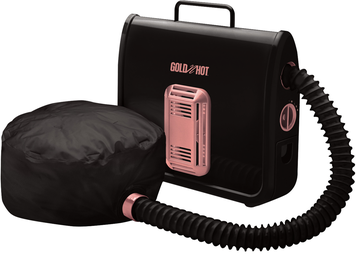
Gold 'N Hot Ionic Soft Bonnet DryerAre you looking for a comfortable way to dry your locks without compromising great results? The gold 'N hot professional ionic soft Bonnet Dryer is the answer. Performance, convenience, and great results are what you can expect. This professional...84,99 $*Shipping: 0,00 $Secure redirect to the provider
-
"""BaBylissPRO 2.5"" Oval Ionic Hot Air Brush"""The versatile Nano Titanium Oval Ionic Hot Air Brush delivers highly efficient heat transfer with Nano Titanium technology, instantly smoothing and shining your hair.Perfect for achieving a salon-quality blowout at home, this hot air brush lets you...109,99 $*Shipping: 0,00 $Secure redirect to the provider
-
What is the difference between ionic bonds and covalent bonds?
Ionic bonds form between two atoms when one atom transfers one or more electrons to another atom. This results in the formation of positively charged ions (cations) and negatively charged ions (anions) that are attracted to each other. Covalent bonds, on the other hand, form when two atoms share one or more pairs of electrons. This sharing of electrons creates a strong bond between the atoms. In summary, ionic bonds involve the transfer of electrons, while covalent bonds involve the sharing of electrons. **
-
What are the differences between covalent bonds, metallic bonds, and ionic bonds?
Covalent bonds are formed when two atoms share electrons, resulting in a strong bond between the atoms. Metallic bonds occur between metal atoms, where the electrons are delocalized and free to move throughout the structure, creating a strong bond. Ionic bonds are formed between a metal and a nonmetal, where one atom transfers electrons to the other, resulting in the formation of positively and negatively charged ions that are attracted to each other. Overall, covalent bonds involve electron sharing, metallic bonds involve electron delocalization, and ionic bonds involve electron transfer. **
-
Should one invest in ETFs or mutual funds?
The decision to invest in ETFs or mutual funds depends on an individual's financial goals, risk tolerance, and investment strategy. ETFs are generally more cost-effective and offer greater flexibility for trading, making them suitable for investors who want to actively manage their portfolios. On the other hand, mutual funds are actively managed by professional fund managers and are better suited for investors who prefer a hands-off approach and are willing to pay higher fees for professional management. Ultimately, it's important to carefully consider your investment objectives and preferences before deciding which option is best for you. **
-
How do ionic bonds work and how are they calculated?
Ionic bonds form when one atom transfers electrons to another atom, resulting in the formation of positively and negatively charged ions. These ions are then attracted to each other due to their opposite charges, creating a strong bond. The strength of an ionic bond can be calculated using Coulomb's law, which takes into account the charges of the ions and the distance between them. The formula for Coulomb's law is: E = k * (|q1 * q2|) / r, where E is the energy of the bond, k is Coulomb's constant, q1 and q2 are the charges of the ions, and r is the distance between the ions. **
* All prices are inclusive of VAT and, if applicable, plus shipping costs. The offer information is based on the details provided by the respective shop and is updated through automated processes. Real-time updates do not occur, so deviations can occur in individual cases. ** Note: Parts of this content were created by AI.