Buy how-to-invest.com ?
We are moving the project
how-to-invest.com .
Are you interested in purchasing the domain
how-to-invest.com ?
domain@kv-gmbh.de · 0541-91531010
Buy how-to-invest.com ?
Should I invest my money in real estate funds?
Investing in real estate funds can be a good option for diversifying your investment portfolio and potentially earning passive income. However, it is important to carefully research and understand the risks associated with real estate investments, such as market fluctuations and liquidity issues. Consider consulting with a financial advisor to determine if real estate funds align with your investment goals and risk tolerance before making a decision. **
Should one invest in ETFs or mutual funds?
The decision to invest in ETFs or mutual funds depends on an individual's financial goals, risk tolerance, and investment strategy. ETFs are generally more cost-effective and offer greater flexibility for trading, making them suitable for investors who want to actively manage their portfolios. On the other hand, mutual funds are actively managed by professional fund managers and are better suited for investors who prefer a hands-off approach and are willing to pay higher fees for professional management. Ultimately, it's important to carefully consider your investment objectives and preferences before deciding which option is best for you. **
Similar search terms for Business
Top-Angebote
Products related to Business:
-
Harper Business The Complete TurtleTrader: How 23 Novice Investors Became Overnight MillionairesThe Complete TurtleTrader: How 23 Novice Investors Became Overnight Millionaires This is the true story behind Wall Street legend Richard Dennis, his disciples, the Turtles, and the trading techniques that made them millionaires. What happens when ordinary people are taught a system to make extraordinary money? Richard Dennis made a fortune on Wall Street by investing according to a few simple rules. Convinced that great trading was a skill that could be taught to anyone, he made a bet with his partner and ran a classified ad in the Wall Street Journal looking for novices to train. His recruits, later known as the Turtles, had anything but traditional Wall Street backgrounds; they included a professional blackjack player, a pianist, and a fantasy game designer. For two weeks, Dennis taught them his investment rules and philosophy, and set them loose to start trading, each with a million dollars of his money. By the time the experiment ended, Dennis had made a hundred million dollars from his Turtles and created one killer Wall Street legend. In The Complete Turtle Trader, Michael W. Covel, bestselling author of Trend Following and managing editor of TurtleTrader.com, the leading website on the Turtles, tells their riveting story with the first ever on the record interviews with individual Turtles. He describes how Dennis interviewed and selected his students, details their education and experiences while working for him, and breaks down the Turtle system and rules in full. He reveals how they made astounding fortunes, and follows their lives from the original experiment to the present day. Some have grown even wealthier than ever, and include some of today's top hedge fund managers. Equally important are those who passed along their approach to a second generation of Turtles, proving that the Turtles' system truly is reproducible, and that anyone with the discipline and the desire to succeed can do as well as—or even better than—Wall Street's top hedge fund wizards. In an era full of slapdash investing advice and promises of hot stock tips for "the next big thing," as popularized by pundits like Jim Cramer of Mad Money, the easy-to-follow objective rules of the TurtleTrader stand out as a sound guide for truly making the most out of your money. These rules worked—and still work today—for the Turtles, and any other investor with the desire and commitment to learn from one of the greatest investing stories of all time.4,89 £*Shipping: 1,99 £Secure redirect to the provider
-
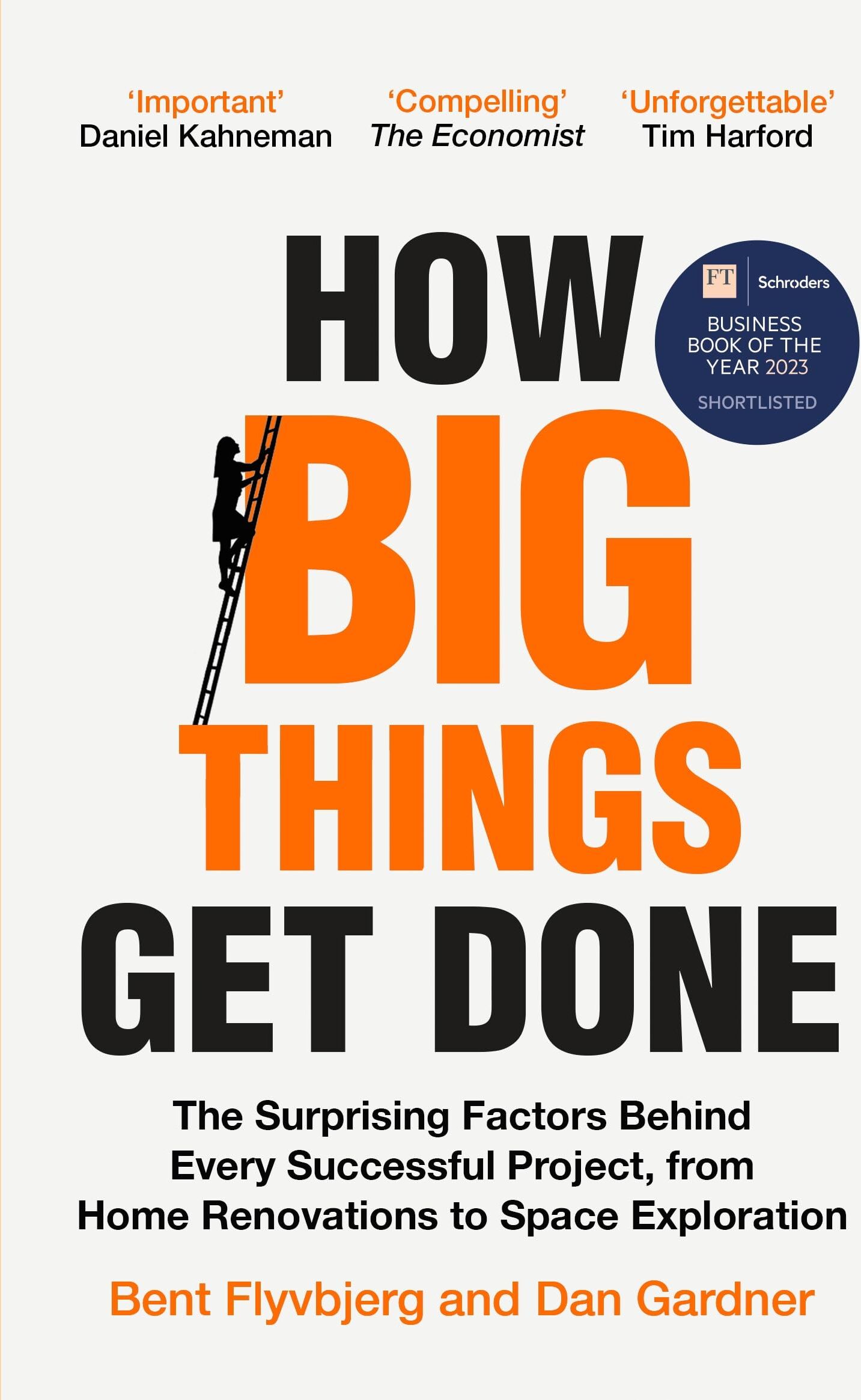
Macmillan Business How Big Things Get Done: The Surprising Factors Behind Every Successful Project, from Home Renovations to Space ExplorationHow Big Things Get Done: The Surprising Factors Behind Every Successful Project, from Home Renovations to Space Exploration Nothing is more inspiring than a big vision that becomes a triumphant new reality. Think of how Apple’s iPod went from a project with a single employee to an enormously successful product launch in eleven months. But such successes are the exception. Consider how London’s Crossrail project delivered five years late and billions over budget. More modest endeavours, whether launching a small business, organizing a conference, or just finishing a work project on time, also commonly fail. Why? Understanding what distinguishes the triumphs from the failures has been the life’s work of Oxford professor Bent Flyvbjerg. In How Big Things Get Done, he identifies the errors that lead projects to fail, and the research-based principles that will make yours succeed: Understand your odds. If you don’t know them, you won’t win. Plan slow, act fast. Getting to the action quick feels right. But it’s wrong. Think right to left. Start with your goal, then identify the steps to get there. Find your Lego. Big is best built from small. Master the unknown unknowns. Most think they can’t, so they fail. Flyvbjerg shows how you can. Full of vivid examples ranging from the building of the Sydney Opera House to the making of the latest Pixar blockbusters, How Big Things Get Done reveals how to get any ambitious project done – on time and on budget.2,99 £*Shipping: 1,99 £Secure redirect to the provider
-
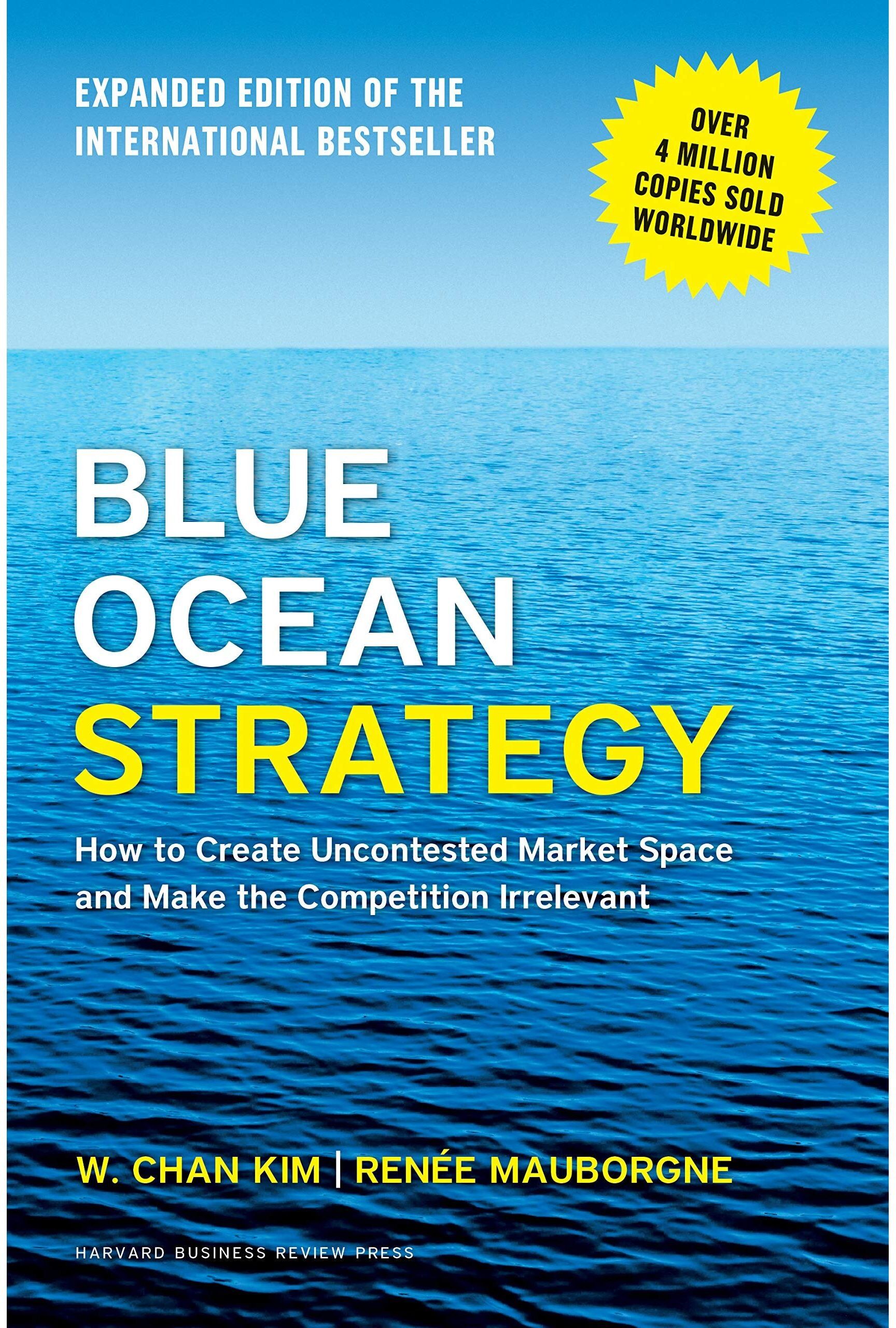
Harvard Business Review Press Blue Ocean Strategy, Expanded Edition: How to Create Uncontested Market Space and Make the Competition IrrelevantThe global phenomenon that has sold over 4 million copies, is published in a record-breaking 49 languages and is a bestseller across five continents—now updated and expanded with new content. Named by Fast Company as one of the most influential leadership books in its Leadership Hall of Fame. A strategy classic. In this perennial bestseller, embraced by organizations and industries worldwide, globally preeminent management thinkers W. Chan Kim and Renée Mauborgne challenge everything you thought you knew about the requirements for strategic success. Recognized as one of the most iconic and impactful strategy books ever written, BLUE OCEAN STRATEGY, now updated with fresh content from the authors, argues that cutthroat competition results in nothing but a bloody red ocean of rivals fighting over a shrinking profit pool. Based on a study of 150 strategic moves (spanning more than 100 years across 30 industries), the authors argue that lasting success comes not from battling competitors but from creating "blue oceans"—untapped new market spaces ripe for growth. BLUE OCEAN STRATEGY presents a systematic approach to making the competition irrelevant and outlines principles and tools any organization can use to create and capture their own blue oceans. This expanded edition includes: A new preface by the authors: Help! My Ocean Is Turning Red Updates on all cases and examples in the book, bringing their stories up to the present time Two new chapters and an expanded third one—Alignment, Renewal, and Red Ocean Traps—that address the most pressing questions readers have asked over the past 10 years A landmark work that upends traditional thinking about strategy, this bestselling book charts a bold new path to winning the future. Consider this your guide to creating uncontested market space—and making the competition irrelevant. To learn more about the power of BLUE OCEAN STRATEGY, visit blueoceanstrategy.com. There you'll find all the resources you need—from ideas in practice and cases from government and private industry, to teaching materials, mobile apps, real-time updates, and tips and tools to help you make your blue ocean journey a success.14,99 £*Shipping: 2,99 £Secure redirect to the provider
-
Harper Business Day Trading Attention: How to Actually Build Brand and Sales in the New Social Media World by Gary VaynerchukIn his seventh business book, bestselling author, entrepreneur, and investor Gary Vaynerchuk offers fresh, in-depth advice to enhance brand development, grow sales, and beat the competition using modern advertising strategies grounded in social media. In his 2013 bestseller Jab, Jab, Jab, Right Hook, Gary Vaynerchuk showed the world how to create winning content for underpriced attention channels. But since then, new platforms have emerged, others have become less relevant, and algorithms are incentivizing new styles of content. New skills are necessary to create advertising that builds brand and sales. In his latest book, Vaynerchuk argues that today’s fast-growing businesses, brands, content creators, and influencers have one thing in common: They mastered storytelling in areas of underpriced attention, which predominantly exists across a handful of social media platforms. Informed by 20+ years of business and marketing success, he contends that the biggest transformation and opportunity is the “TikTokification of Social Media.” Increasingly, platforms are distributing content based on what users are interested in, rather than who they follow. In Day Trading Attention, Gary offers detailed advice on how small businesses, large corporations, and creators can: Understand attention—what it is, where it is, where it’s underpriced, and how to leverage it Produce relevant, strategic content Use modern advertising platforms to build brand and grow sales in today’s rapidly changing environment8,99 £*Shipping: 2,99 £Secure redirect to the provider


-
What is the difference between real estate management and real estate business?
Real estate management involves the day-to-day operation and maintenance of properties, including tasks such as rent collection, property maintenance, and tenant relations. On the other hand, real estate business refers to the buying, selling, and development of properties for profit. Real estate management focuses on the operational aspects of properties, while real estate business involves the strategic and financial aspects of property transactions. Both are important components of the real estate industry, but they have different focuses and responsibilities. **
-
Should one invest in Deka mutual funds or not?
The decision to invest in Deka mutual funds depends on an individual's financial goals, risk tolerance, and investment strategy. Deka offers a range of mutual funds with different objectives and risk profiles, so it's important to carefully consider which fund aligns with your investment objectives. Additionally, it's essential to conduct thorough research on Deka's fund performance, fees, and management team before making an investment decision. Consulting with a financial advisor can also provide valuable insights into whether Deka mutual funds are suitable for your investment portfolio. **
-
Are real estate funds a good investment?
Real estate funds can be a good investment option for individuals looking to diversify their portfolio and gain exposure to the real estate market without directly owning property. These funds typically invest in a variety of properties, providing investors with a level of diversification and potentially higher returns than owning a single property. However, like any investment, real estate funds come with risks such as market fluctuations, liquidity concerns, and management fees. It is important for investors to carefully research and consider their financial goals and risk tolerance before investing in real estate funds. **
-
What is the difference between the real estate specialist and the real estate business economist?
The real estate specialist typically focuses on the practical aspects of buying, selling, and managing real estate properties. They may specialize in areas such as residential, commercial, or industrial real estate. On the other hand, the real estate business economist focuses on the broader economic factors that impact the real estate market, such as interest rates, employment trends, and market forecasts. They analyze data and trends to provide insights into the overall health and direction of the real estate market. While the specialist deals with the day-to-day operations, the economist provides a more macro-level perspective on the industry. **

What is the difference between a Real Estate Specialist and a Real Estate Business Administrator?
A Real Estate Specialist typically focuses on the buying, selling, and leasing of properties, working directly with clients to help them find their ideal property or sell their current one. On the other hand, a Real Estate Business Administrator is responsible for the administrative and operational aspects of a real estate business, such as managing finances, coordinating transactions, and overseeing office operations. While a Real Estate Specialist deals more with the client-facing aspects of the real estate industry, a Real Estate Business Administrator handles the behind-the-scenes tasks to ensure the business runs smoothly. **
How do you exactly invest in real estate?
Investing in real estate typically involves purchasing a property with the intention of generating a return on investment. This can be done through various methods such as buying a rental property to generate rental income, purchasing a property to renovate and sell for a profit (flipping), or investing in real estate investment trusts (REITs) or real estate crowdfunding platforms. It's important to conduct thorough research, understand the local real estate market, and consider factors such as location, property condition, financing options, and potential risks before making an investment in real estate. Additionally, seeking advice from real estate professionals or financial advisors can be beneficial in making informed investment decisions. **
Top-Angebote
Products related to Business:
-
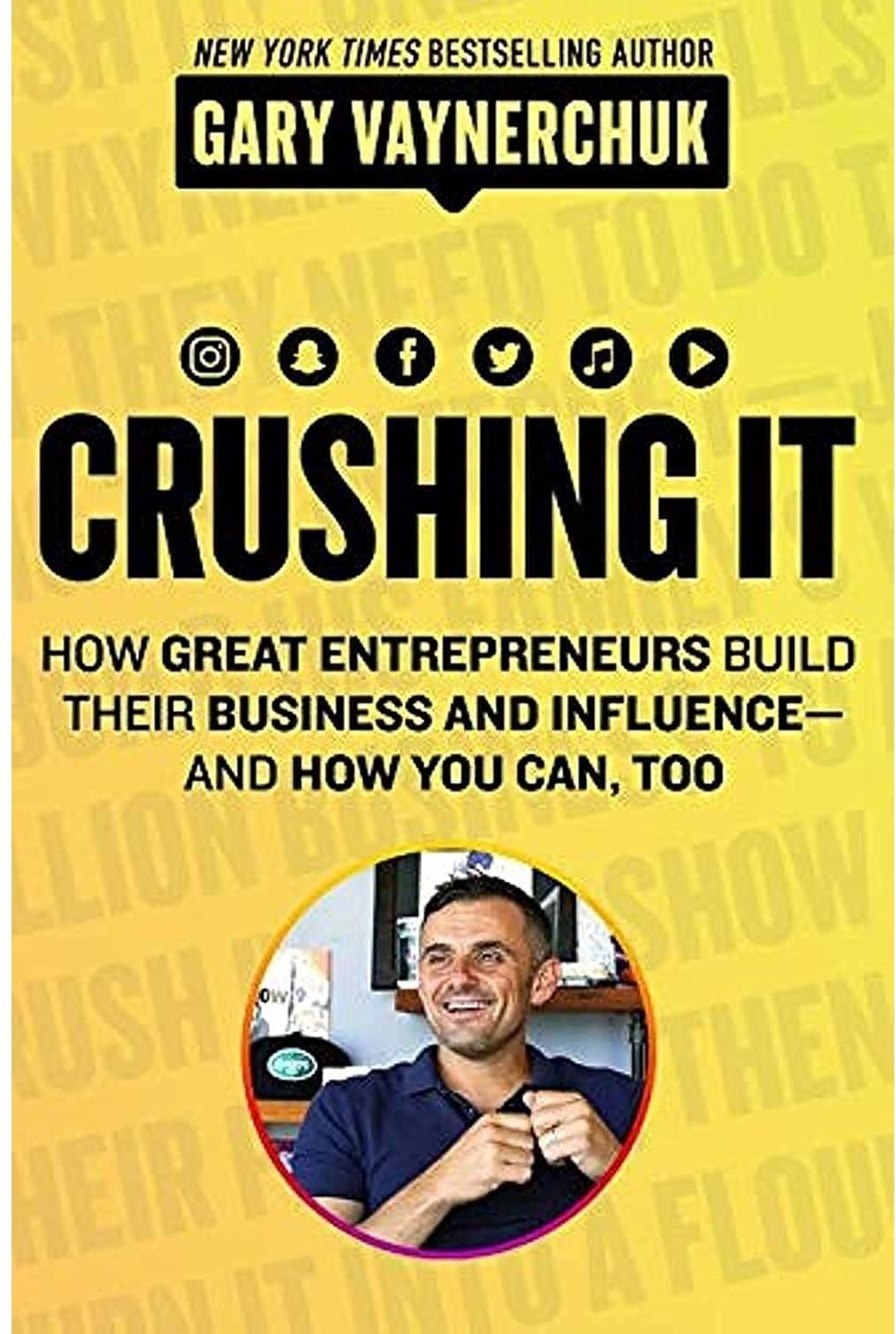
Harper Business Crushing It: How Great Entrepreneurs Build Their Business and Influence and How You Can, TooFour-time New York Times bestselling author Gary Vaynerchuk offers new lessons and inspiration drawn from the experiences of dozens of influencers and entrepreneurs who rejected the predictable corporate path in favor of pursuing their dreams by building thriving businesses and extraordinary personal brands. In his 2009 international bestseller Crush It, Gary insisted that a vibrant personal brand was crucial to entrepreneurial success, In Crushing It!, Gary explains why that’s even more true today, offering his unique perspective on what has changed and what principles remain timeless. He also shares stories from other entrepreneurs who have grown wealthier—and not just financially—than they ever imagined possible by following Crush It principles. The secret to their success (and Gary’s) has everything to do with their understanding of the social media platforms, and their willingness to do whatever it took to make these tools work to their utmost potential. That’s what Crushing It! teaches readers to do. In this lively, practical, and inspiring book, Gary dissects every current major social media platform so that anyone, from a plumber to a professional ice skater, will know exactly how to amplify his or her personal brand on each. He offers both theoretical and tactical advice on how to become the biggest thing on old standbys like Twitter, Facebook, YouTube, Instagram, Pinterest, and Snapchat; podcast platforms like Spotify, Soundcloud, iHeartRadio, and iTunes; and other emerging platforms such as Musical.ly. For those with more experience, Crushing It! illuminates some little-known nuances and provides innovative tips and clever tweaks proven to enhance more common tried-and-true strategies. Crushing It! is a state-of-the-art guide to building your own path to professional and financial success, but it’s not about getting rich. It’s a blueprint to living life on your own terms.6,90 £*Shipping: 2,99 £Secure redirect to the provider
-
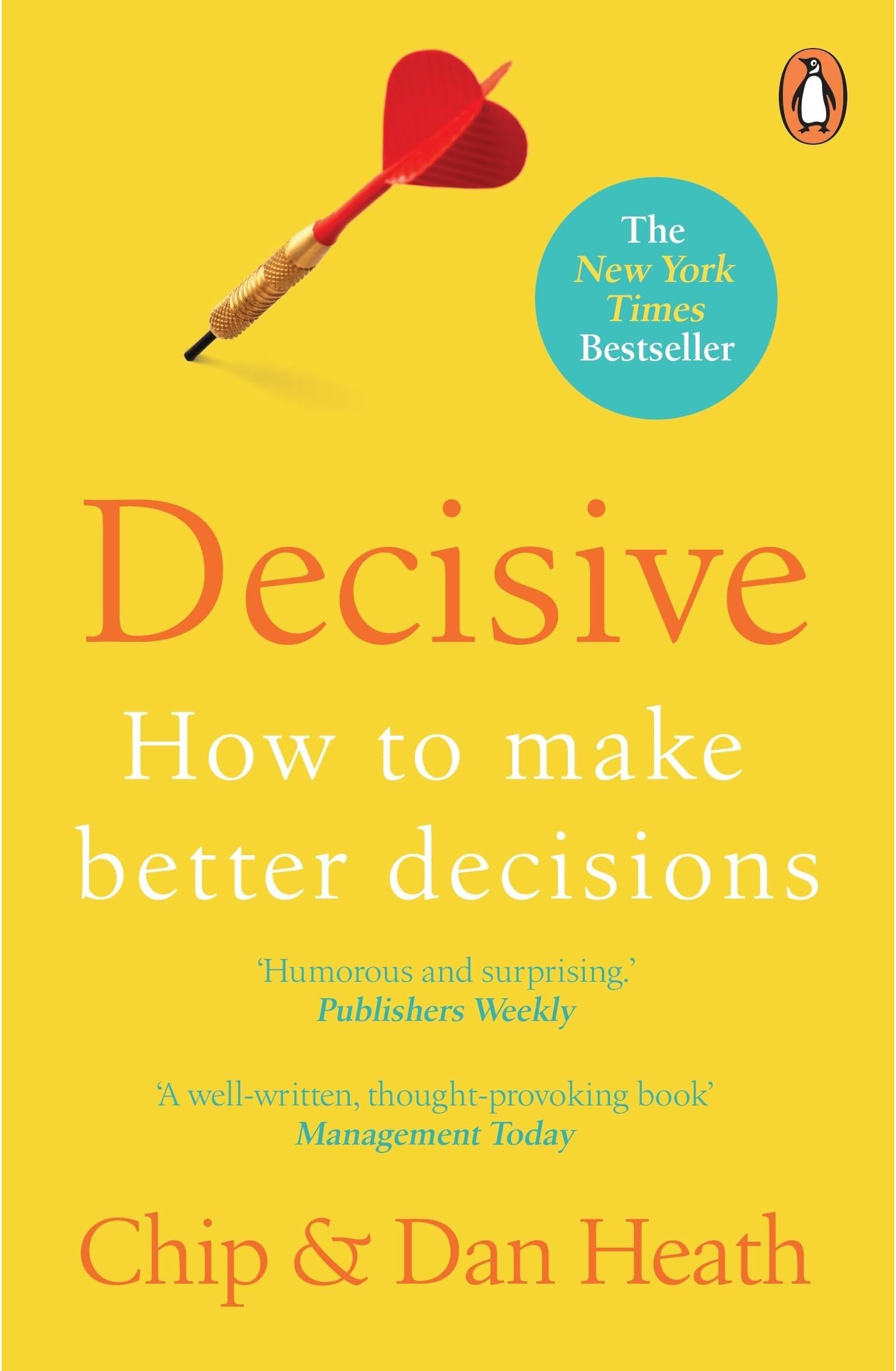
Random House Business Decisive: How to Make Better Decisions by Chip & Dan HeathThe New York Times-bestselling authors of Switch and Made to Stick offer a fascinating tour through the workings of our minds to reveal how to make smarter decisions. Research in psychology has revealed that our decisions are disrupted by an array of biases and irrationalities. We're overconfident. We seek out information that supports us and downplay information that doesn't. We get distracted by short-term emotions. When it comes to making choices, our brains are flawed instruments. So, how can we do better? In Decisive, Chip and Dan Heath draw on cutting-edge psychological research to introduce a four-step process designed to counteract these biases. They reveal how we can stop the cycle of agonizing over our decisions, how can we make group decisions without destructive politics, and how to ensure that we don't overlook precious opportunities to change our course. Along the way, they demonstrate how relatively easy it is to avoid the pitfalls and find the best answers. Written in a compulsively readable style, Decisive takes us on a tour from a rock star's ingenious decision-making trick, to a CEO's disastrous acquisition, to a single question that can often resolve thorny personal decisions, in order to offer fresh strategies and practical tools that will enable you to make better choices. Because the right decision, at the right moment, can make all the difference.9,99 £*Shipping: 2,99 £Secure redirect to the provider
-
Harper Business The Complete TurtleTrader: How 23 Novice Investors Became Overnight MillionairesThe Complete TurtleTrader: How 23 Novice Investors Became Overnight Millionaires This is the true story behind Wall Street legend Richard Dennis, his disciples, the Turtles, and the trading techniques that made them millionaires. What happens when ordinary people are taught a system to make extraordinary money? Richard Dennis made a fortune on Wall Street by investing according to a few simple rules. Convinced that great trading was a skill that could be taught to anyone, he made a bet with his partner and ran a classified ad in the Wall Street Journal looking for novices to train. His recruits, later known as the Turtles, had anything but traditional Wall Street backgrounds; they included a professional blackjack player, a pianist, and a fantasy game designer. For two weeks, Dennis taught them his investment rules and philosophy, and set them loose to start trading, each with a million dollars of his money. By the time the experiment ended, Dennis had made a hundred million dollars from his Turtles and created one killer Wall Street legend. In The Complete Turtle Trader, Michael W. Covel, bestselling author of Trend Following and managing editor of TurtleTrader.com, the leading website on the Turtles, tells their riveting story with the first ever on the record interviews with individual Turtles. He describes how Dennis interviewed and selected his students, details their education and experiences while working for him, and breaks down the Turtle system and rules in full. He reveals how they made astounding fortunes, and follows their lives from the original experiment to the present day. Some have grown even wealthier than ever, and include some of today's top hedge fund managers. Equally important are those who passed along their approach to a second generation of Turtles, proving that the Turtles' system truly is reproducible, and that anyone with the discipline and the desire to succeed can do as well as—or even better than—Wall Street's top hedge fund wizards. In an era full of slapdash investing advice and promises of hot stock tips for "the next big thing," as popularized by pundits like Jim Cramer of Mad Money, the easy-to-follow objective rules of the TurtleTrader stand out as a sound guide for truly making the most out of your money. These rules worked—and still work today—for the Turtles, and any other investor with the desire and commitment to learn from one of the greatest investing stories of all time.4,89 £*Shipping: 1,99 £Secure redirect to the provider
-
Macmillan Business How Big Things Get Done: The Surprising Factors Behind Every Successful Project, from Home Renovations to Space ExplorationHow Big Things Get Done: The Surprising Factors Behind Every Successful Project, from Home Renovations to Space Exploration Nothing is more inspiring than a big vision that becomes a triumphant new reality. Think of how Apple’s iPod went from a project with a single employee to an enormously successful product launch in eleven months. But such successes are the exception. Consider how London’s Crossrail project delivered five years late and billions over budget. More modest endeavours, whether launching a small business, organizing a conference, or just finishing a work project on time, also commonly fail. Why? Understanding what distinguishes the triumphs from the failures has been the life’s work of Oxford professor Bent Flyvbjerg. In How Big Things Get Done, he identifies the errors that lead projects to fail, and the research-based principles that will make yours succeed: Understand your odds. If you don’t know them, you won’t win. Plan slow, act fast. Getting to the action quick feels right. But it’s wrong. Think right to left. Start with your goal, then identify the steps to get there. Find your Lego. Big is best built from small. Master the unknown unknowns. Most think they can’t, so they fail. Flyvbjerg shows how you can. Full of vivid examples ranging from the building of the Sydney Opera House to the making of the latest Pixar blockbusters, How Big Things Get Done reveals how to get any ambitious project done – on time and on budget.2,99 £*Shipping: 1,99 £Secure redirect to the provider
-
Should I invest my money in real estate funds?
Investing in real estate funds can be a good option for diversifying your investment portfolio and potentially earning passive income. However, it is important to carefully research and understand the risks associated with real estate investments, such as market fluctuations and liquidity issues. Consider consulting with a financial advisor to determine if real estate funds align with your investment goals and risk tolerance before making a decision. **
-
Should one invest in ETFs or mutual funds?
The decision to invest in ETFs or mutual funds depends on an individual's financial goals, risk tolerance, and investment strategy. ETFs are generally more cost-effective and offer greater flexibility for trading, making them suitable for investors who want to actively manage their portfolios. On the other hand, mutual funds are actively managed by professional fund managers and are better suited for investors who prefer a hands-off approach and are willing to pay higher fees for professional management. Ultimately, it's important to carefully consider your investment objectives and preferences before deciding which option is best for you. **
-
What is the difference between real estate management and real estate business?
Real estate management involves the day-to-day operation and maintenance of properties, including tasks such as rent collection, property maintenance, and tenant relations. On the other hand, real estate business refers to the buying, selling, and development of properties for profit. Real estate management focuses on the operational aspects of properties, while real estate business involves the strategic and financial aspects of property transactions. Both are important components of the real estate industry, but they have different focuses and responsibilities. **
-
Should one invest in Deka mutual funds or not?
The decision to invest in Deka mutual funds depends on an individual's financial goals, risk tolerance, and investment strategy. Deka offers a range of mutual funds with different objectives and risk profiles, so it's important to carefully consider which fund aligns with your investment objectives. Additionally, it's essential to conduct thorough research on Deka's fund performance, fees, and management team before making an investment decision. Consulting with a financial advisor can also provide valuable insights into whether Deka mutual funds are suitable for your investment portfolio. **
Similar search terms for Business
-
Harvard Business Review Press Blue Ocean Strategy, Expanded Edition: How to Create Uncontested Market Space and Make the Competition IrrelevantThe global phenomenon that has sold over 4 million copies, is published in a record-breaking 49 languages and is a bestseller across five continents—now updated and expanded with new content. Named by Fast Company as one of the most influential leadership books in its Leadership Hall of Fame. A strategy classic. In this perennial bestseller, embraced by organizations and industries worldwide, globally preeminent management thinkers W. Chan Kim and Renée Mauborgne challenge everything you thought you knew about the requirements for strategic success. Recognized as one of the most iconic and impactful strategy books ever written, BLUE OCEAN STRATEGY, now updated with fresh content from the authors, argues that cutthroat competition results in nothing but a bloody red ocean of rivals fighting over a shrinking profit pool. Based on a study of 150 strategic moves (spanning more than 100 years across 30 industries), the authors argue that lasting success comes not from battling competitors but from creating "blue oceans"—untapped new market spaces ripe for growth. BLUE OCEAN STRATEGY presents a systematic approach to making the competition irrelevant and outlines principles and tools any organization can use to create and capture their own blue oceans. This expanded edition includes: A new preface by the authors: Help! My Ocean Is Turning Red Updates on all cases and examples in the book, bringing their stories up to the present time Two new chapters and an expanded third one—Alignment, Renewal, and Red Ocean Traps—that address the most pressing questions readers have asked over the past 10 years A landmark work that upends traditional thinking about strategy, this bestselling book charts a bold new path to winning the future. Consider this your guide to creating uncontested market space—and making the competition irrelevant. To learn more about the power of BLUE OCEAN STRATEGY, visit blueoceanstrategy.com. There you'll find all the resources you need—from ideas in practice and cases from government and private industry, to teaching materials, mobile apps, real-time updates, and tips and tools to help you make your blue ocean journey a success.14,99 £*Shipping: 2,99 £Secure redirect to the provider
-
Harper Business Day Trading Attention: How to Actually Build Brand and Sales in the New Social Media World by Gary VaynerchukIn his seventh business book, bestselling author, entrepreneur, and investor Gary Vaynerchuk offers fresh, in-depth advice to enhance brand development, grow sales, and beat the competition using modern advertising strategies grounded in social media. In his 2013 bestseller Jab, Jab, Jab, Right Hook, Gary Vaynerchuk showed the world how to create winning content for underpriced attention channels. But since then, new platforms have emerged, others have become less relevant, and algorithms are incentivizing new styles of content. New skills are necessary to create advertising that builds brand and sales. In his latest book, Vaynerchuk argues that today’s fast-growing businesses, brands, content creators, and influencers have one thing in common: They mastered storytelling in areas of underpriced attention, which predominantly exists across a handful of social media platforms. Informed by 20+ years of business and marketing success, he contends that the biggest transformation and opportunity is the “TikTokification of Social Media.” Increasingly, platforms are distributing content based on what users are interested in, rather than who they follow. In Day Trading Attention, Gary offers detailed advice on how small businesses, large corporations, and creators can: Understand attention—what it is, where it is, where it’s underpriced, and how to leverage it Produce relevant, strategic content Use modern advertising platforms to build brand and grow sales in today’s rapidly changing environment8,99 £*Shipping: 2,99 £Secure redirect to the provider
-
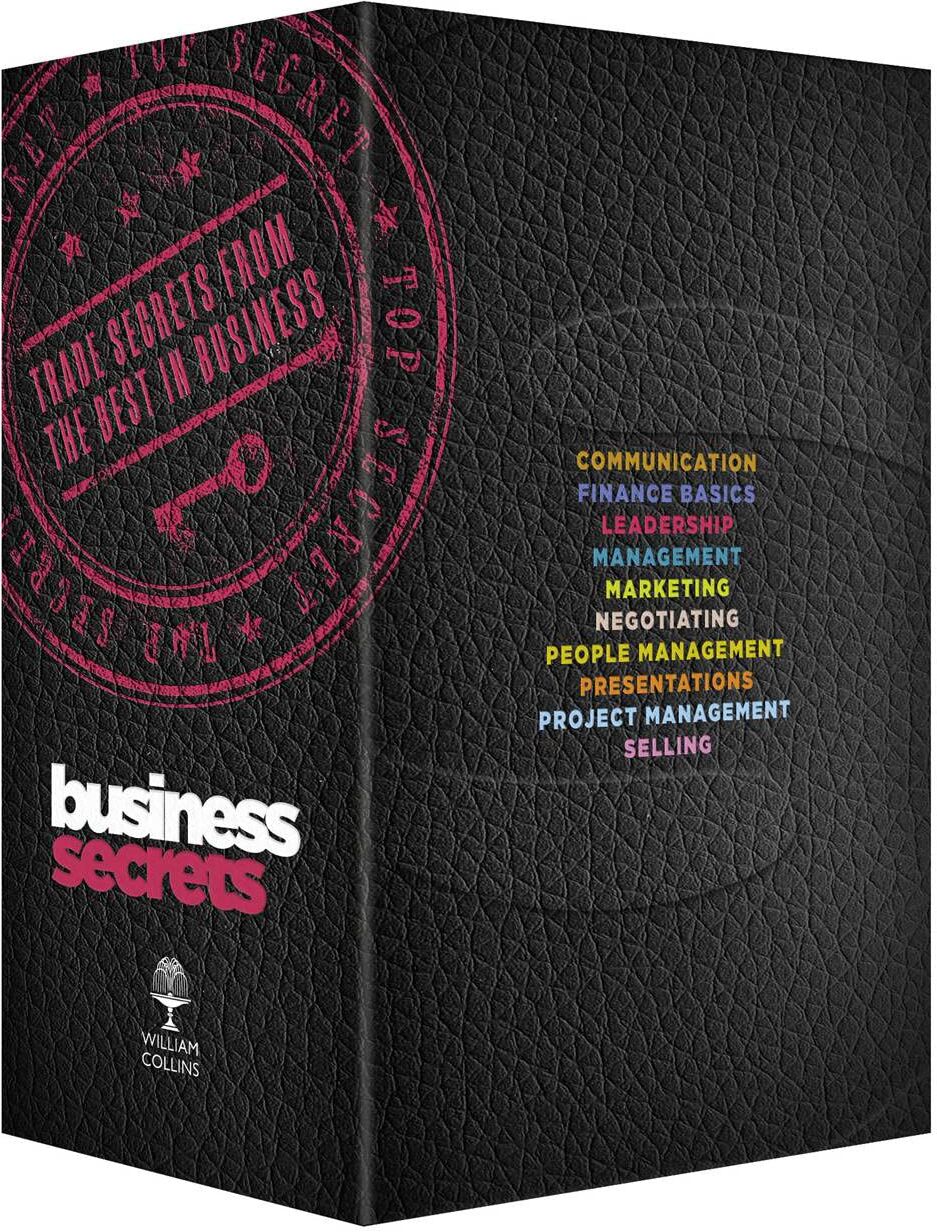
William Collins Business Secrets Box Set (Collins Business Secrets)Learn essential trade secrets from the best in business with this box set of ten Collins Business Secrets titles. The Collins Business Secrets series has established itself as vital resource for business people. Quick and easy to use, these guides let readers in on the tips and tricks that experts and top professionals use to reach and stay at the top. Collected together for the first time are ten titles from the series: ‘Communication’ by Carolyn Boyes, ‘Finance Basics’ by Stuart Warner, ‘Leadership’ and ‘Management’ by Michael Heath, ‘Marketing’ by Peter Spalton, ‘Negotiating’ by David Brown, ‘People Management’ by Rus Slater, ‘Presentations’ by Martin Manser, ‘Project Management’ by Matthew Bachelor and ‘Selling’ by Nick Constable. The ‘Business Secrets Box Set’ is the fastest way to get results and start maximising your business potential.11,89 £*Shipping: 2,99 £Secure redirect to the provider
-
Are real estate funds a good investment?
Real estate funds can be a good investment option for individuals looking to diversify their portfolio and gain exposure to the real estate market without directly owning property. These funds typically invest in a variety of properties, providing investors with a level of diversification and potentially higher returns than owning a single property. However, like any investment, real estate funds come with risks such as market fluctuations, liquidity concerns, and management fees. It is important for investors to carefully research and consider their financial goals and risk tolerance before investing in real estate funds. **
-
What is the difference between the real estate specialist and the real estate business economist?
The real estate specialist typically focuses on the practical aspects of buying, selling, and managing real estate properties. They may specialize in areas such as residential, commercial, or industrial real estate. On the other hand, the real estate business economist focuses on the broader economic factors that impact the real estate market, such as interest rates, employment trends, and market forecasts. They analyze data and trends to provide insights into the overall health and direction of the real estate market. While the specialist deals with the day-to-day operations, the economist provides a more macro-level perspective on the industry. **
-
What is the difference between a Real Estate Specialist and a Real Estate Business Administrator?
A Real Estate Specialist typically focuses on the buying, selling, and leasing of properties, working directly with clients to help them find their ideal property or sell their current one. On the other hand, a Real Estate Business Administrator is responsible for the administrative and operational aspects of a real estate business, such as managing finances, coordinating transactions, and overseeing office operations. While a Real Estate Specialist deals more with the client-facing aspects of the real estate industry, a Real Estate Business Administrator handles the behind-the-scenes tasks to ensure the business runs smoothly. **
-
How do you exactly invest in real estate?
Investing in real estate typically involves purchasing a property with the intention of generating a return on investment. This can be done through various methods such as buying a rental property to generate rental income, purchasing a property to renovate and sell for a profit (flipping), or investing in real estate investment trusts (REITs) or real estate crowdfunding platforms. It's important to conduct thorough research, understand the local real estate market, and consider factors such as location, property condition, financing options, and potential risks before making an investment in real estate. Additionally, seeking advice from real estate professionals or financial advisors can be beneficial in making informed investment decisions. **
* All prices are inclusive of VAT and, if applicable, plus shipping costs. The offer information is based on the details provided by the respective shop and is updated through automated processes. Real-time updates do not occur, so deviations can occur in individual cases. ** Note: Parts of this content were created by AI.